


Preloader Close
Understanding the Different Types of Pest Control Services: A Guide for Homeowners and Businesses
Explore the various pest control options available to keep your property safe from unwanted pests.
24th March 2025
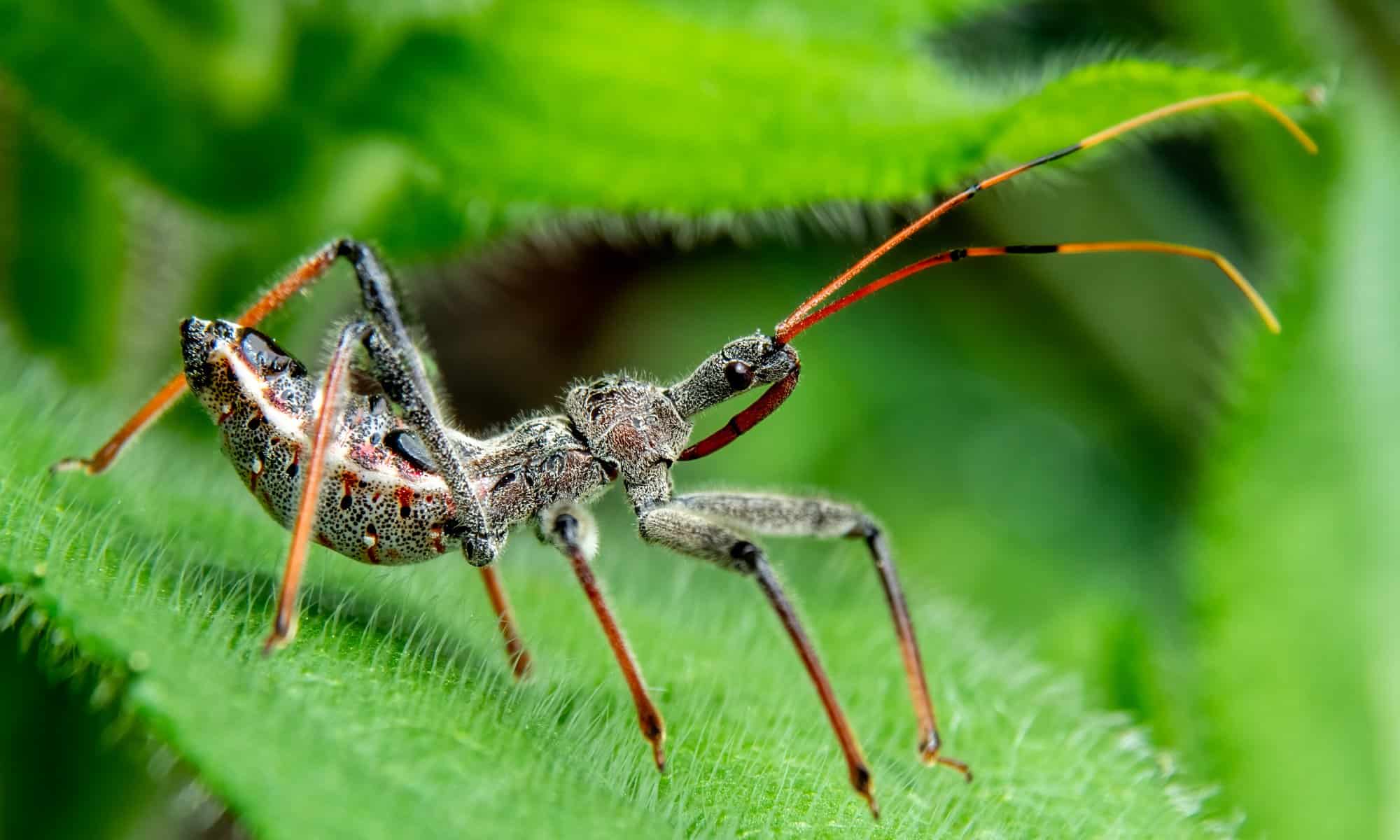
Pest infestations are an inevitable challenge that homeowners and businesses must deal with. Whether it’s ants in the kitchen, termites damaging the foundation of your house, or rodents in the attic, pests can quickly take over a property if not addressed properly. Thankfully, there are numerous pest control services available to effectively eliminate and prevent infestations.
In this article, we will take a look at the different types of pest control services, the benefits of each, and how they can help you maintain a safe and healthy environment.
1. Chemical Pest Control
Chemical pest control is the most common and widely used method for eliminating pests. It involves the use of synthetic chemicals, such as insecticides, to kill or repel unwanted pests. These chemicals come in various forms including sprays, baits, and powders.
Benefits:
- Fast-acting: Chemical treatments can provide immediate results by killing pests quickly.
- Effective for a wide range of pests: From ants to cockroaches and termites, chemical pest control can be used for a broad spectrum of pests.
- Targeted treatments: Professionals can apply chemicals directly to areas where pests are most active, ensuring minimal exposure to other parts of the property.
Drawbacks:
- Toxicity concerns: Some chemicals may be harmful to humans, pets, and the environment. It is important to use professional services to ensure the right products are applied safely.
- Potential for resistance: Over time, pests can develop resistance to certain chemicals, making the treatment less effective.
2. Organic and Eco-Friendly Pest Control
For homeowners and businesses seeking more environmentally friendly options, organic and eco-friendly pest control offers a great alternative to chemical treatments. This method uses natural substances and non-toxic products to manage pests.
Benefits:
- Non-toxic solutions: Organic pest control products are made from natural ingredients, making them safe for families, pets, and the environment.
- Sustainable: Organic pest control methods have a lesser environmental impact and are often biodegradable.
- Long-term pest prevention: These methods can provide lasting results by addressing the root cause of pest infestations, such as food sources and breeding grounds.
Drawbacks:
- Slower results: Organic treatments may take longer to show results compared to chemical pest control.
- Limited effectiveness for certain pests: Some pests, like termites or bedbugs, may require more intensive treatments that organic methods alone can’t handle.
3. Integrated Pest Management (IPM)
Integrated Pest Management (IPM) is a comprehensive, eco-friendly approach to pest control that combines multiple strategies to eliminate pests. This method focuses on long-term prevention, using a combination of chemical, biological, and physical controls, along with monitoring and prevention techniques.
Benefits:
- Holistic approach: IPM emphasizes prevention by addressing factors that attract pests, such as poor sanitation and cracks in the building structure.
- Reduced chemical usage: Chemicals are only used when necessary, and when they are applied, they are strategically placed to minimize exposure.
- Long-lasting effects: By combining several pest control strategies, IPM can create a sustainable and pest-free environment for the long term.
Drawbacks:
- Time and resource-intensive: IPM requires thorough monitoring and planning, which may be more time-consuming compared to simpler pest control methods.
- Higher initial costs: The integrated approach can require more resources, such as expert knowledge and specialized equipment.
4. Biological Pest Control
Biological pest control uses natural predators, parasites, or pathogens to control pest populations. This method often involves introducing organisms such as ladybugs to eat aphids or nematodes to target soil-dwelling pests.
Benefits:
- Eco-friendly: Biological control uses natural predators and organisms, making it an environmentally responsible choice.
- Targeted pest elimination: It focuses on controlling specific pests without harming other creatures or the ecosystem.
- Sustainable and long-term: Once established, biological control can provide ongoing pest management without the need for continuous applications of pesticides.
Drawbacks:
- Limited scope: Biological control is typically effective for specific pests, such as garden insects, but may not be suitable for larger infestations.
- Slower to take effect: It can take time for natural predators or pathogens to reduce pest populations effectively.
5. Rodent Control
Rodent infestations, particularly mice and rats, are a serious concern for both homes and businesses. Rodent control focuses on trapping, exclusion, and sometimes poisoning to eliminate rodents from the premises.
Benefits:
- Quick results: Rodent control can be highly effective when using traps or bait stations, and you will notice immediate results.
- Prevention strategies: Rodent control often includes sealing entry points to prevent future infestations, which provides long-term protection.
Drawbacks:
- Health risks: Poisoning rodents can present a health hazard if not done carefully, particularly if the rodents die in hard-to-reach places.
- Temporary solution: Trapping and baiting are effective, but without proper exclusion measures, the infestation may return.
6. Termite Control
Termite infestations can cause extensive damage to the structure of your home or business, often without being detected until significant damage has occurred. Termite control involves specialized treatments, including liquid barrier treatments or baiting systems designed to eliminate the colony.
Benefits:
- Prevents property damage: Effective termite control helps protect your home or business from costly structural damage.
- Long-term protection: Many termite control solutions offer long-term protection by creating a barrier that prevents further infestations.
Drawbacks:
- Expensive: Termite control can be costly, especially if an infestation is already established.
- Ongoing maintenance: Regular inspections are necessary to ensure that the treatment remains effective and to prevent future infestations.
Conclusion: Choosing the Right Pest Control Service
Selecting the right pest control service depends on your specific needs, the type of pests you're dealing with, and your commitment to environmentally responsible practices. Whether you opt for chemical treatments, organic solutions, or an integrated approach, the goal is the same: to maintain a safe, healthy, and pest-free environment.
For effective pest management, it’s always advisable to consult with a professional pest control company that can assess your property, recommend the best solutions, and implement long-term strategies to keep pests at bay.
By understanding the various types of pest control services available, you can make an informed decision and ensure that your property stays protected from unwanted invaders.